Why Can a Collision Repair Estimate Change After Work Begins?
When you receive an initial estimate after an accident, it is natural to expect that number to represent the final cost of repairing your vehicle. However, collision repair is different from many other services because not all damage can be identified during the first visual inspection. Once technicians begin disassembling the damaged areas of a vehicle, they may discover additional problems that were hidden behind bumpers, body panels, trim, or structural components.
That does not necessarily mean the original estimate was inaccurate. In many cases, it simply means the full extent of the collision damage could not be seen until the repair process began.
At Piperformance
in Raleigh, NC, we believe customers should understand what is happening with their vehicle throughout the repair process. Here is why collision repair estimates sometimes change and what you should expect if additional damage is discovered.
An Initial Estimate Is Based on What Can Be Seen
The first collision repair estimate is usually created by inspecting the visible damage to the vehicle.
For example, after a rear-end collision, it may be obvious that the bumper cover is damaged. What cannot always be determined from the outside is whether the components behind that bumper were also affected.
Behind exterior panels are parts such as reinforcement bars, brackets, absorbers, sensors, wiring, mounting points, and structural components. A bumper that appears to have only moderate cosmetic damage may be hiding significantly more damage underneath.
The initial estimate gives the repair process a starting point. Once the damaged area is taken apart, technicians can perform a much more complete inspection.
Hidden Damage Is Common After a Collision
Vehicles are designed with layers of components that work together to manage impact forces. Because much of that structure is covered by exterior panels, collision damage can travel farther into the vehicle than it appears to from the outside.
Common examples of hidden damage include:
- Bent mounting brackets
- Damaged bumper reinforcement
- Cracked plastic components
- Broken clips and retainers
- Damaged wiring
- Bent structural components
- Sensor damage
- Misaligned body panels
- Damage behind headlights or taillights
- Hidden dents or buckling beneath exterior panels
Even a relatively low-speed accident can produce damage that is difficult to identify until disassembly begins.
That is one reason an experienced body shop does not judge the severity of a collision solely by how the vehicle looks when it arrives.
What Happens During Vehicle Disassembly?
Disassembly—sometimes referred to as a teardown—is an important part of developing a complete collision repair plan.
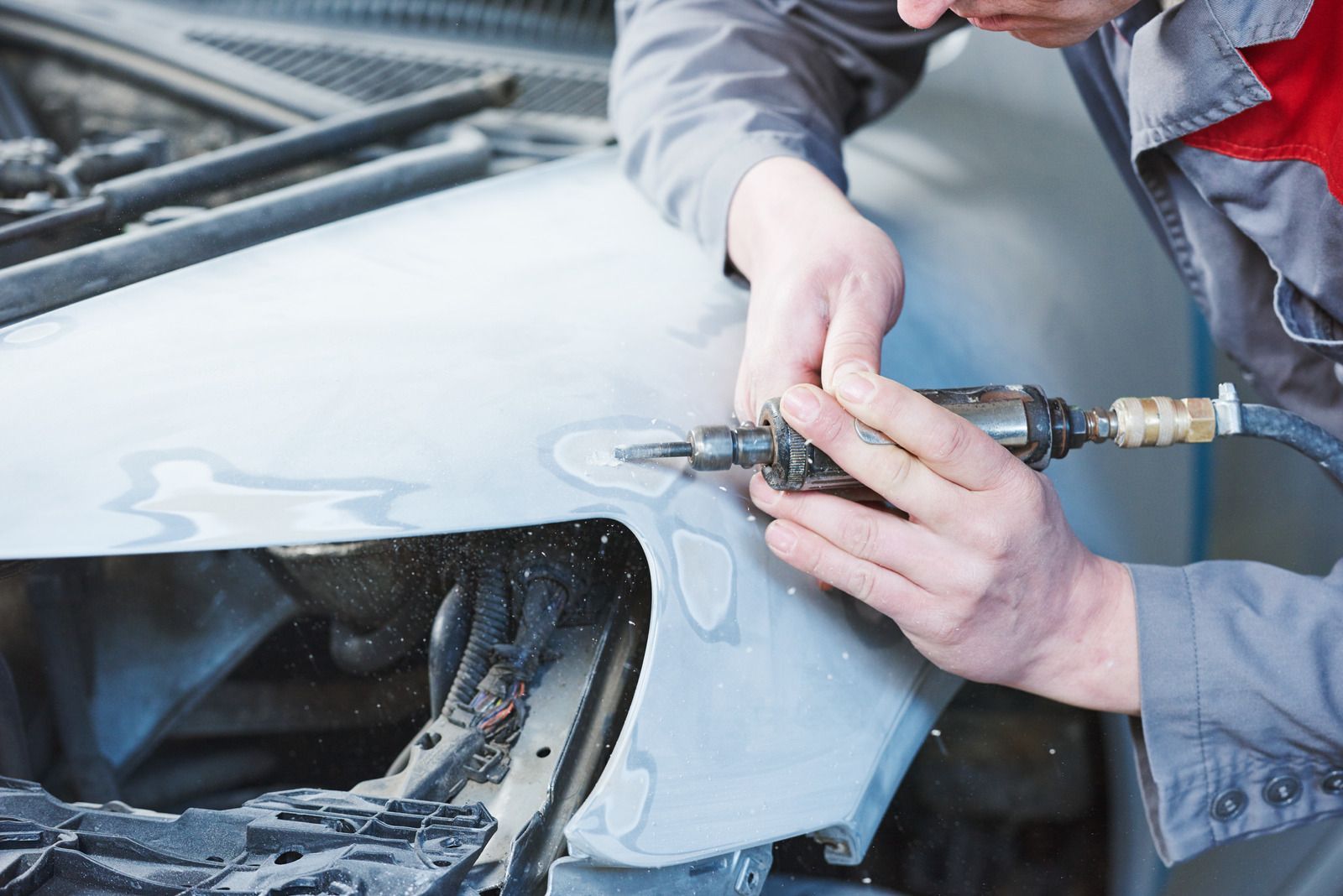
Technicians carefully remove damaged exterior components so they can inspect the areas underneath. Depending on where the vehicle was hit, that may involve removing a bumper, grille, headlight, fender, trim, interior panels, or other components.
Once those pieces are removed, technicians can see much more of the affected area.
They can then determine which parts can be repaired, which need to be replaced, and whether additional procedures are necessary.
This is often the point when the initial estimate becomes more detailed.
For the customer, it can seem like the price suddenly changed. From the shop's perspective, the repair plan is being updated to reflect damage that could not reasonably be confirmed during the initial inspection.
What Is an Insurance Supplement?
If an insurance company is involved in the claim, you may hear the word “supplement.”
A supplement is an additional request submitted after previously undocumented damage or necessary repair operations are identified.
For example, imagine an insurance estimate initially includes replacement of a damaged rear bumper cover. Once the bumper is removed, the shop discovers that the reinforcement and several mounting brackets behind it were also damaged.
Those additional parts and labor operations can be documented and submitted to the insurance company as a supplement.
Supplements are a normal part of collision repair because insurance adjusters and body shops often have to begin with what can be seen before the vehicle is disassembled.
Why Didn't the Insurance Company Include Everything Initially?
Insurance companies frequently write estimates based on photographs, visual inspections, or the information available at the beginning of the claim.
That means the insurer may not have access to the vehicle after it has been fully disassembled.
A photograph of a dented bumper cannot reveal every damaged component behind that bumper.
Once a body shop begins working on the vehicle and identifies additional damage, the shop can document those findings and communicate with the insurer.
That may involve photographs, measurements, repair procedures, parts information, or other documentation supporting the additional work.
At Piperformance, we work with insurance companies during the claims process, but our focus remains on the customer and the vehicle. Our role is to identify what the vehicle needs and communicate the repair requirements clearly.
Manufacturer Repair Procedures Can Affect the Estimate
Modern collision repair involves much more than simply replacing visibly damaged parts.
Automakers publish repair procedures that outline how certain components should be repaired, replaced, measured, inspected, or calibrated.
Once technicians examine the vehicle more closely, they may determine that additional procedures are required based on the location or severity of the damage.
These can include structural measurements, corrosion protection, seam sealing, specific welding procedures, diagnostic scans, alignment checks, or other manufacturer-directed steps.
Following the correct procedures can add operations to the repair plan that may not have been included on the first estimate.
The goal is not simply to make the vehicle look good again. A quality repair should account for the systems and structural components affected by the collision.
Advanced Vehicle Technology Can Add Additional Steps
Many newer vehicles contain cameras, radar sensors, parking sensors, and other Advanced Driver Assistance Systems, commonly referred to as ADAS.
These systems may support features such as:
- Forward collision warning
- Automatic emergency braking
- Adaptive cruise control
- Lane departure warning
- Blind-spot monitoring
- Parking assistance
Some sensors are mounted in or around bumpers, windshields, mirrors, and other parts frequently affected in collisions.
Depending on the vehicle and repairs performed, diagnostic scans, inspections, or recalibrations may be necessary.
A damaged bumper, for example, might seem like a straightforward cosmetic repair until technicians discover that sensors or mounting locations have also been affected.
That can change both the repair process and the estimate
Parts Availability Can Also Affect a Repair
An estimate may initially be written using a particular replacement part, but circumstances can change once parts are ordered.
A part may be unavailable, discontinued, backordered, or determined to be unsuitable once it arrives.
In other situations, a technician may discover during disassembly that an adjacent component also needs replacement.
Depending on the vehicle, the repair plan could involve OEM, aftermarket, recycled, or other approved replacement parts.
If the available part or repair requirement changes, the estimate may need to be updated accordingly.
A quality body shop should explain meaningful changes rather than simply presenting the customer with a different number without context.
Repair vs. Replacement Decisions Can Change
During an initial inspection, a damaged panel may appear repairable.
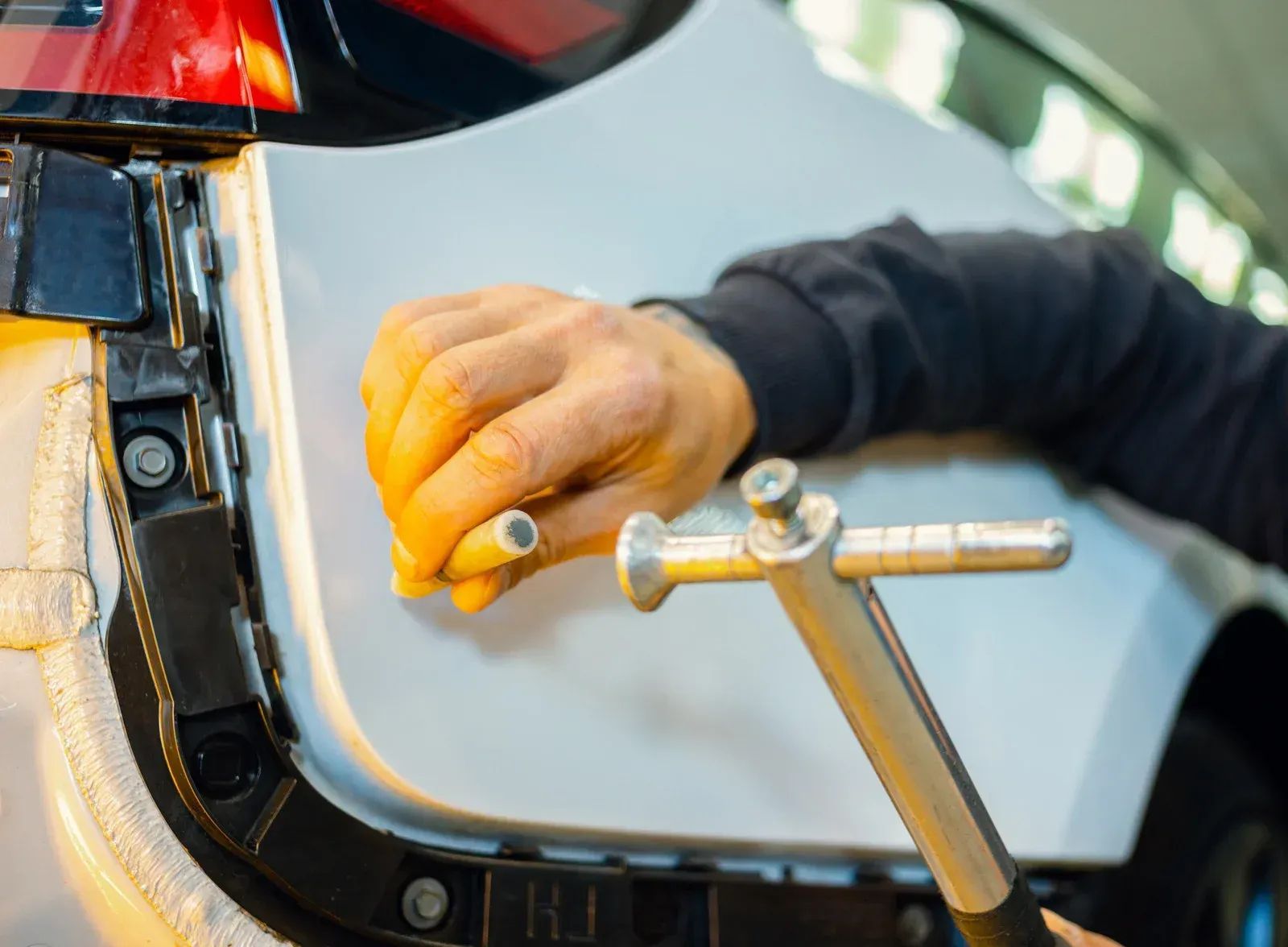
Once technicians begin working with the panel, they may discover that the damage is more extensive than initially believed. Severe stretching, tearing, corrosion, hidden folds, damaged mounting points, or other conditions could make replacement the more appropriate option.
The opposite can also happen.
A component initially expected to require replacement may sometimes be repairable after a more detailed evaluation.
Collision repair requires professional judgment throughout the process, which is why a repair plan may evolve as technicians gain more information.
Does a Higher Estimate Mean the Shop Is Adding Unnecessary Work?
Not necessarily.
A change in price should be supported by a change in the documented repair requirements.
Customers should feel comfortable asking what changed and why.
A professional collision repair shop should be able to explain:
- What additional damage was discovered
- Where that damage is located
- Why the additional work is necessary
- Whether additional parts are required
- Whether the insurance company has been notified
- Whether the discovery affects the expected completion date
Transparency is especially important because most customers do not see their vehicle while it is partially disassembled.
Clear communication helps you understand that changes are based on what technicians actually found rather than unexplained additions to the bill.
Why Repair Timelines Can Change Along With the Estimate
Additional damage does not only affect cost. It can also affect the repair timeline.
If hidden damage requires more parts, the shop may need to order those components before work can continue. Insurance approval for a supplement can also take additional time.
The amount of time involved depends on factors such as:
- Severity of the newly discovered damage
- Parts availability
- Insurance response times
- Manufacturer repair procedures
- Additional body or structural work
- Required scans or calibrations
- Refinishing requirements
This is why a reputable shop should be careful about promising an exact completion date before the vehicle has been completely assessed.
A realistic timeline is more valuable than an overly optimistic promise that cannot be kept.
Communication Should Be Part of the Collision Repair Process
One of the most frustrating experiences for a customer is receiving unexpected news about a repair without understanding why something changed.
A good body shop should communicate throughout the process rather than leaving customers wondering what is happening.
If additional damage is discovered, you should be told what was found and how it affects the repair.
At Piperformance, customer service is an important part of the work we perform. We believe customers deserve straightforward explanations and regular communication so they can make informed decisions about their vehicles.
Collision repair can already be stressful enough without confusing terminology or unanswered questions.
Should You Automatically Choose the Lowest Collision Repair Estimate?
The lowest initial estimate does not always represent the final repair cost.
Two shops can inspect the same vehicle and write different estimates because they may identify different operations, recommend different parts, or approach the repair planning process differently.
A very low estimate can appear attractive, but price should not be the only factor you consider.
It is also important to evaluate a shop's experience, workmanship, communication, warranty, repair procedures, and willingness to explain the estimate.
The objective should be to repair the vehicle properly—not simply produce the lowest number before work begins.
Questions to Ask About a Changed Collision Repair Estimate
If your estimate changes, ask questions.
You may want to ask:
What additional damage did you find?
The shop should be able to explain what became visible after disassembly.
Can you show me the damage?
Photos can make it much easier to understand why the repair plan changed.
Has the insurance company been notified?
If you are filing a claim, ask whether a supplement has been submitted when appropriate.
Will this change the repair timeline?
Additional parts or operations may require more time.
Are any additional safety systems involved?
Modern vehicle technology can require additional inspections or procedures.
The purpose of these questions is not to challenge the technician. It is to make sure you understand the work being performed on your vehicle.
A Thorough Estimate Develops as the Repair Becomes Clear
Collision damage is not always visible from the surface.
An initial estimate is an important first step, but the most accurate repair plan often becomes possible only after technicians have disassembled the damaged areas and inspected the vehicle more closely.
Hidden damage, additional replacement parts, manufacturer procedures, insurance supplements, and vehicle technology can all affect the final repair.
What matters most is that those changes are properly documented and clearly explained.
Collision Repair With a Personal Approach in Raleigh, NC
Piperformance has served Raleigh drivers since 2002 with a focus on quality workmanship, personal service, and attention to detail. We understand that dealing with an accident and insurance claim can be stressful, which is why we work to keep customers informed throughout the repair process.
Our team evaluates collision damage carefully, communicates when additional repairs are identified, and focuses on completing each job to a high standard. We work with your insurance company, not for your insurance company, and believe you deserve to understand what is being done to your vehicle every step of the way.
If your vehicle has been damaged in an accident, contact Piperformance
in Raleigh, NC to schedule an estimate and learn more about the collision repair process.