What Happens During the Collision Repair Process?
A vehicle collision can be a stressful and disorienting experience, leaving drivers concerned not only about safety but also about the condition of their car. While minor dents and scratches are immediately visible, the true extent of damage often extends beneath the surface. Understanding the collision repair process provides clarity and confidence when navigating repairs, insurance claims, and timelines. For drivers, knowing what to expect ensures a smoother experience, minimizes unexpected costs, and protects the long-term value of the vehicle.
Collision repair is not merely a matter of fixing what is visible. Modern vehicles are engineered with complex safety systems, structural reinforcements, and electronics that require specialized attention. From the initial damage assessment to the final quality inspection, every step is designed to restore the vehicle to its pre-collision condition. For auto enthusiasts and everyday drivers alike, understanding this process sheds light on why professional expertise, precision, and adherence to safety standards are critical. By exploring the sequence of steps involved in collision repair, readers gain practical insights into vehicle restoration, decision-making for repair options, and the importance of choosing certified and experienced professionals.
1. Initial Assessment and Damage Evaluation
Visual Inspection
The first step in the collision repair process begins with a thorough visual inspection. Every panel, frame line, and component is evaluated for damage, including dents, scratches, misalignments, and signs of impact. This initial assessment identifies both obvious and subtle issues that could affect the vehicle’s performance or safety. For example, even a minor fender collision may compromise wheel alignment or suspension components. Understanding these details at the start ensures that all necessary repairs are accounted for, reducing the likelihood of overlooked damage.
Diagnostic Scanning
Modern vehicles rely heavily on electronic systems, including airbags, sensors, and engine management controls. After the visual inspection, a diagnostic scan evaluates the condition of these systems. Fault codes may reveal hidden damage that could impact safety features or driving performance. For instance, a front-end collision might trigger sensor misalignment affecting automatic braking or lane-keeping functions. Identifying such issues early allows for accurate repair planning and ensures the vehicle meets manufacturer safety standards after restoration.
Estimating Repair Costs
Once the damage evaluation is complete, a detailed repair estimate is prepared. This includes parts, labor, and any specialized services required, such as frame straightening or electronic calibration. Estimates provide transparency and serve as the basis for insurance claims. It is important to note that initial estimates may be revised if additional damage is discovered during the repair process, highlighting the importance of experienced professionals in producing accurate assessments.
2. Disassembly and Damage Confirmation
Removing Damaged Components
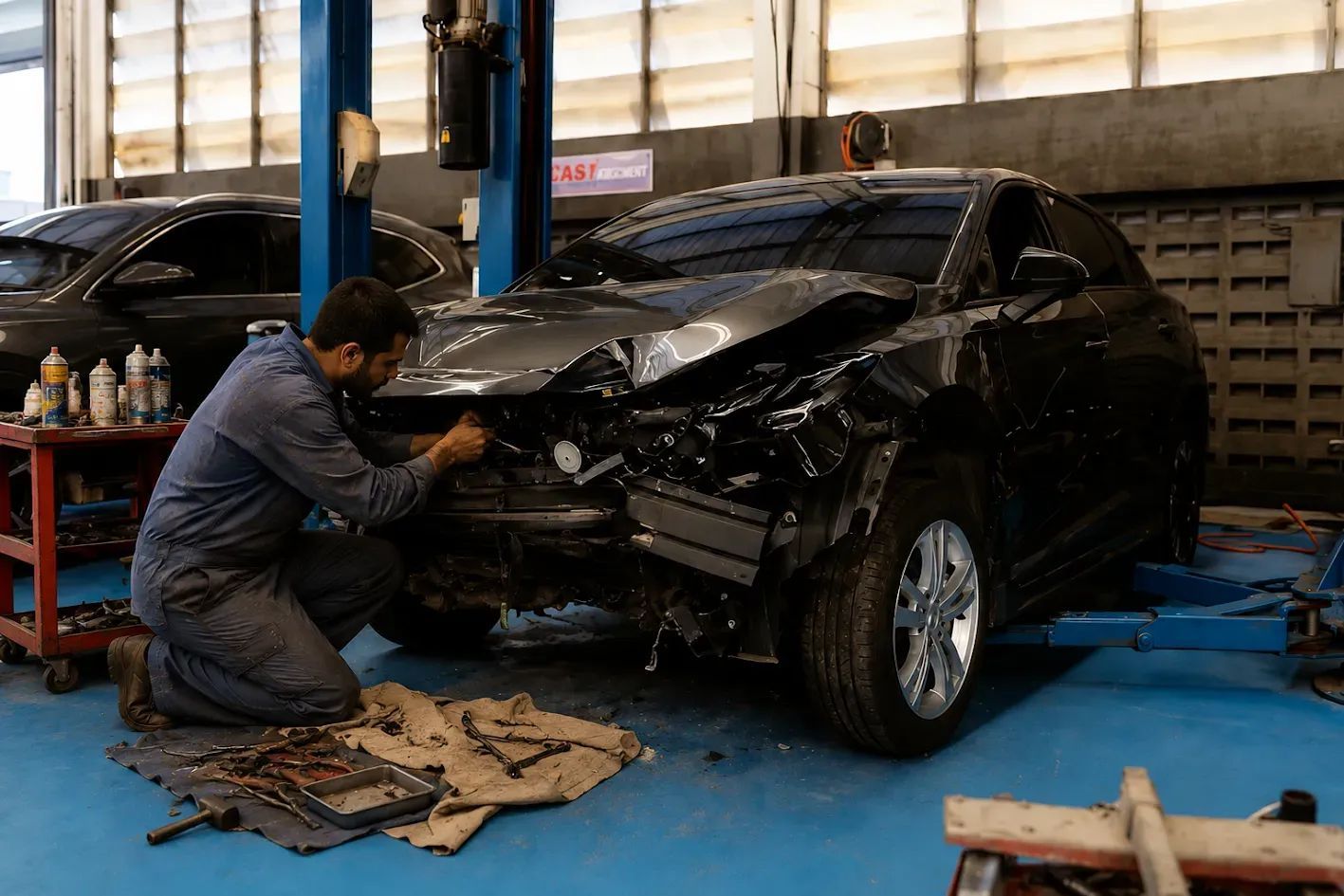
After the initial assessment, the vehicle undergoes disassembly to access areas affected by the collision. Panels, bumpers, and interior components may be removed to expose hidden damage, including structural issues that were not apparent during the visual inspection. This step is essential for a comprehensive repair, as damage beneath the surface can compromise both safety and performance if left unaddressed.
Identifying Hidden Damage
Disassembly often reveals hidden or secondary damage that was initially overlooked. For example, a minor side-impact collision could have bent frame rails or damaged suspension components. Detecting these issues at this stage prevents future problems and ensures the structural integrity of the vehicle is fully restored. Hidden damage identification also informs parts replacement and repair techniques, ensuring that the vehicle meets safety and manufacturer specifications.
Documentation for Insurance
During disassembly, detailed documentation is maintained for insurance purposes. Photographs, notes, and diagnostic readings provide evidence of the damage and guide claims processing. Proper documentation helps prevent disputes, ensures transparency, and aligns the repair process with insurance requirements. It also serves as a record for vehicle history, which can impact resale value in the future.
3. Structural and Frame Repair
Frame Straightening
Collisions often distort the vehicle’s frame, which serves as the foundation for safety and performance. Frame straightening is a critical step that restores the vehicle’s original geometry using precision tools and measuring systems. Hydraulic frame machines, laser alignment systems, and computerized measuring devices ensure that the frame is returned to exact manufacturer specifications. Proper frame repair is essential for maintaining crashworthiness, handling, and long-term durability.
Repairing Crumple Zones
Modern vehicles feature crumple zones designed to absorb energy during a collision. Repairing or replacing these areas requires specialized knowledge and precision. Improper handling of crumple zones can compromise vehicle safety, affecting future collision performance. Certified repair procedures ensure that energy-absorbing structures are restored correctly, maintaining compliance with safety regulations and protecting passengers in subsequent impacts.
Welding and Reinforcement
Structural repairs often involve welding or reinforcing damaged metal components. This process requires careful adherence to manufacturer guidelines, as improper welding can weaken critical areas or cause corrosion over time. Reinforcement techniques, such as using high-strength steel or structural adhesives, provide additional stability. Accurate execution of these repairs ensures that the vehicle performs as designed in both routine driving and emergency scenarios.
4. Mechanical and Component Repairs
5. Bodywork, Painting, and Finishing
Dent Removal and Panel Replacement
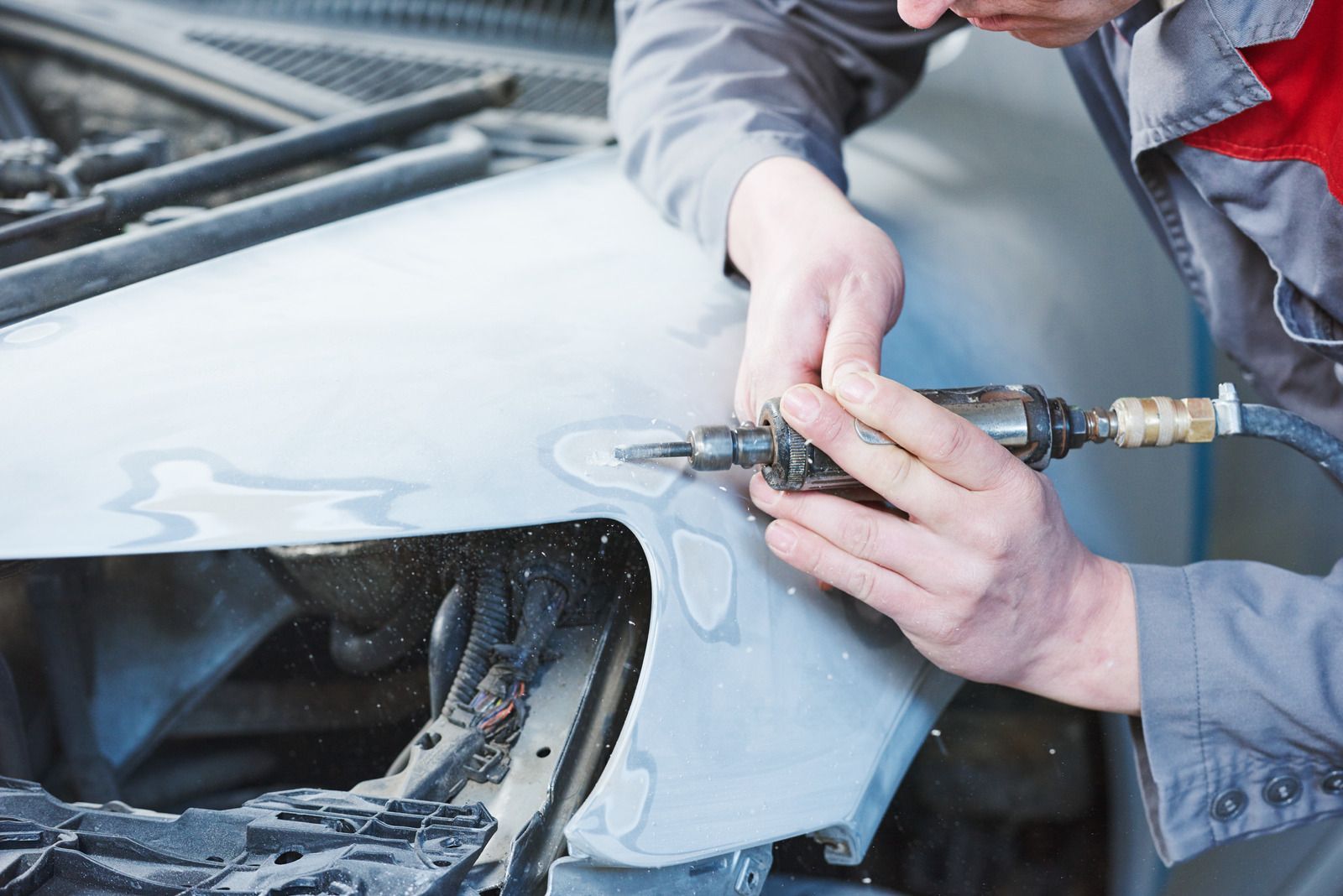
Bodywork involves removing dents, reshaping panels, and replacing damaged components. Advanced techniques, such as paintless dent repair, can restore minor dents without affecting the factory paint. For severe damage, replacement panels are used to maintain structural integrity and appearance. Proper bodywork restores the vehicle’s original contours and alignment, contributing to both aesthetics and resale value.
Surface Preparation
Before painting, the repaired areas undergo surface preparation, including sanding, priming, and masking. This step ensures that the paint adheres properly, providing a smooth and durable finish. Surface preparation also prevents future issues, such as peeling or corrosion, and allows for a seamless match with the vehicle’s original color.
Painting and Color Matching
Modern painting processes use advanced techniques, such as computerized color matching and multi-stage coatings, to achieve a factory-quality finish. Expert application ensures consistency across panels, blending repairs with existing surfaces. High-quality paint not only enhances appearance but also protects the vehicle from environmental damage and corrosion.
Clear Coat and Curing
After painting, a clear coat is applied to provide a glossy, protective layer. This layer enhances durability, UV resistance, and overall appearance. The vehicle then undergoes curing, which hardens the paint and ensures long-lasting results. Proper finishing techniques maintain both aesthetic appeal and structural protection for the vehicle.
6. Quality Control and Final Inspection
Professional Restoration Services Ensuring Vehicle Safety and Quality
The collision repair process is a meticulous and highly specialized sequence designed to restore a vehicle to its original safety, performance, and appearance standards. From the initial assessment to the final inspection, each step addresses both visible and hidden damage, mechanical and structural issues, and cosmetic restoration. Understanding the process highlights the importance of professional expertise, precision equipment, and adherence to manufacturer specifications. Drivers benefit from knowing what to expect, including accurate estimates, thorough repairs, and comprehensive testing that ensures both safety and longevity.
At Piperformance, Raleigh, North Carolina, our 25
years of experience in auto body repair reflect a deep commitment to quality, safety, and customer satisfaction. Every repair is executed with precision, using advanced techniques and certified procedures to restore vehicles to pre-collision condition. Trust in our expertise ensures that vehicles are not only repaired but fully protected for future performance, reflecting our dedication to excellence, transparency, and reliable service in every collision repair project.