How to Tell if Your Car Has Hidden Damage After a Collision?
A collision, whether minor or major, can leave your vehicle with more than just visible dents and scratches. Even after a fender bender or a parking lot incident, subtle structural damage can compromise safety, performance, and long-term value. Hidden damage often goes unnoticed by the untrained eye, leaving vehicle owners at risk of costly repairs or potential accidents. Understanding how to identify these concealed issues is essential not only for safety but also for protecting investment in the vehicle. Knowing the signs of hidden damage empowers vehicle owners to take prompt action and prevent future complications.
In the auto repair industry, addressing hidden damage quickly is a critical aspect of thorough post-collision care. Professional inspections, diagnostic tools, and careful evaluation of a car’s systems can reveal issues that may not appear immediately after impact. From misaligned frames to compromised suspension components, the consequences of ignoring hidden damage are significant. This guide explores actionable methods and expert insights on identifying concealed damage, offering practical steps for vehicle owners to assess the condition of their car after an accident. By following these guidelines, it becomes possible to detect underlying problems before they escalate, ensuring both safety and the longevity of the vehicle.
Recognizing Structural and Frame Damage
Signs of Frame Misalignment
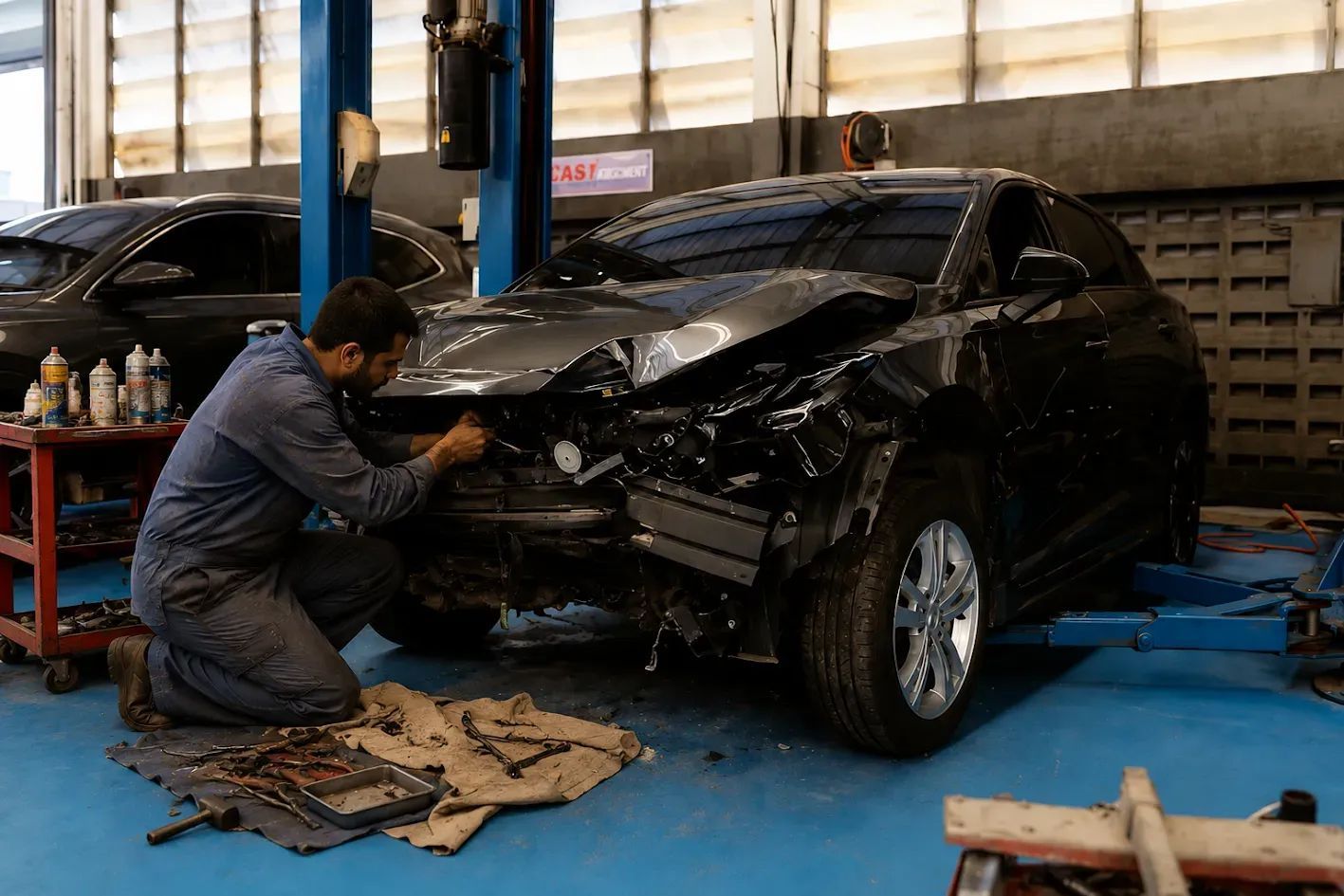
One of the most critical hidden damages after a collision is frame or structural misalignment. Even low-speed impacts can cause the frame to bend or twist, affecting vehicle stability and safety. Look for uneven gaps between panels, doors that don’t close smoothly, or a steering wheel that’s off-center when driving straight. These subtle indicators often point to frame distortion that can compromise the car’s integrity.
Inspecting Suspension and Steering Systems
Suspension and steering components can sustain hidden damage, particularly in front-end collisions. Misaligned control arms, bent tie rods, or damaged struts may not produce immediate symptoms, but over time, they lead to uneven tire wear, pulling during braking, and a rough ride. Visual inspection of shocks, struts, and suspension joints, coupled with a test drive on varied surfaces, can help identify irregularities.
Common Real-World Scenarios
A minor rear-end collision may leave no visible body damage, yet the crumple zones behind the bumper could absorb force in ways that affect alignment. Similarly, hitting a curb or pothole during an accident can cause hidden suspension issues. Early detection allows corrective measures before these damages result in more costly repairs or compromise vehicle safety.
Benefits of Early Structural Inspection
Identifying frame and suspension problems immediately enhances safety, prevents additional component wear, and reduces repair costs. Vehicles with compromised frames also experience lower resale value, making timely intervention crucial for financial and practical reasons.
Assessing Mechanical and Engine Components
Checking Engine and Transmission Functionality
Collisions can shift internal engine or transmission components, particularly during moderate to high-impact accidents. Unusual vibrations, delayed gear engagement, or abnormal engine noises can indicate hidden damage. It is essential to inspect belts, mounts, and fluid lines for cracks, leaks, or displacement.
Identifying Cooling and Exhaust System Issues
Impact damage may not stop at visible areas. Radiators, cooling fans, and exhaust systems often absorb hidden forces during a collision. Signs such as overheating, unusual smells, or decreased fuel efficiency can point to compromised systems. A thorough inspection under the hood can reveal leaks, bent radiator supports, or cracked hoses.
Real-Life Example
A driver who experienced a minor front-end impact might notice nothing externally. However, months later, intermittent overheating revealed a misaligned radiator and bent fan assembly. Early professional inspection could have prevented ongoing engine strain and potential breakdown.
Best Practices for Mechanical Checks
- Perform a test drive under various conditions, noting vibrations, noises, or changes in handling.
- Examine fluid levels and consistency for signs of leaks.
- Use diagnostic tools to detect error codes in electronic control systems.
By systematically assessing mechanical components after a collision, hidden issues can be identified before they escalate into costly repairs or pose a safety risk
Detecting Cosmetic and Interior Damage
Inspecting Hidden Body Panel Issues
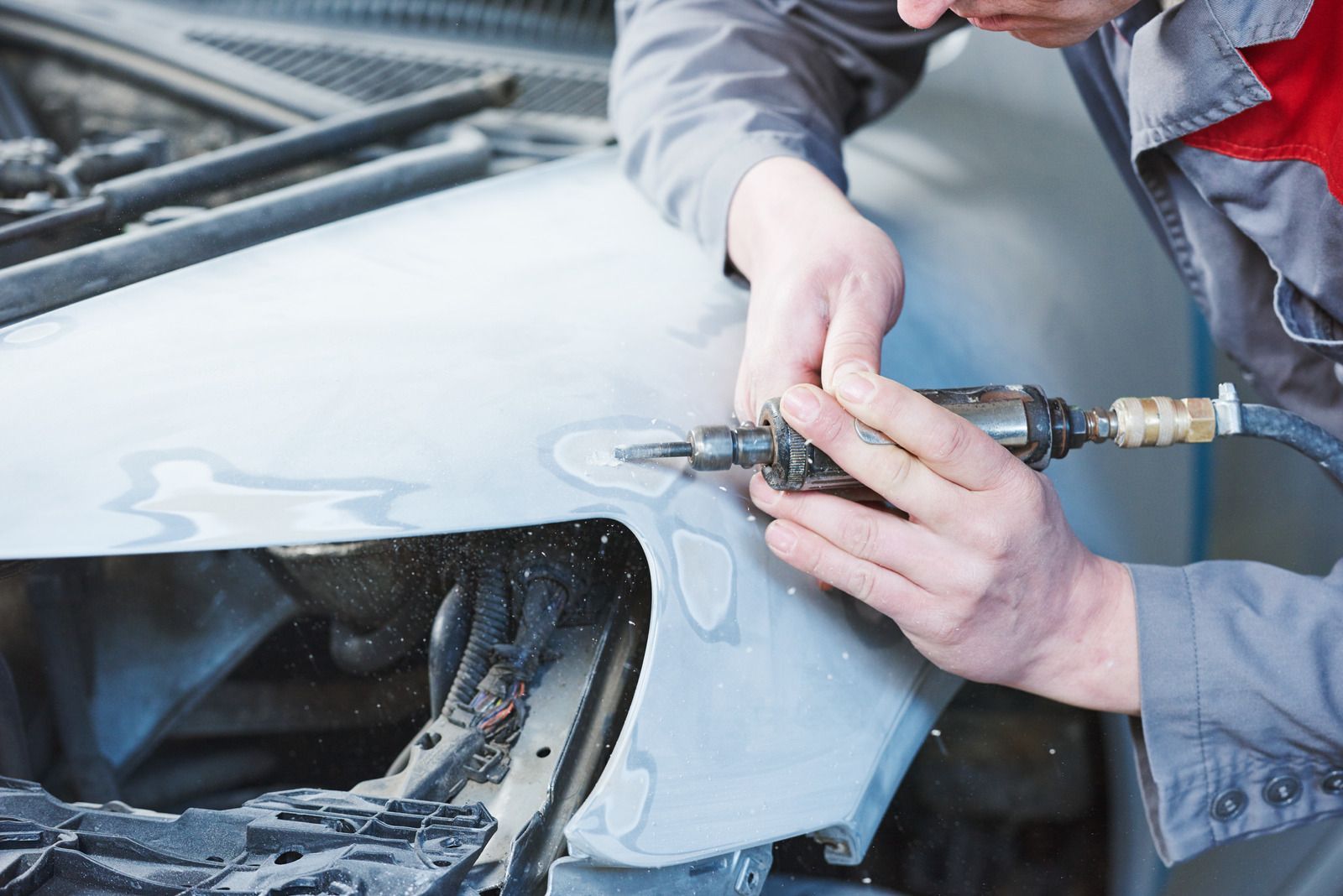
Not all collision damage is structural; cosmetic issues may hide underlying problems. Check for inconsistencies in paint, panel alignment, or small dents that could indicate frame shifts beneath. Even a perfectly painted surface may conceal dents or creases that compromise the car’s structural integrity.
Interior Safety Features
Collisions often affect interior safety components like airbags, seat belts, and sensors. Airbags may deploy partially or remain inactive due to hidden sensor damage, reducing occupant safety. Seat belts may become frayed, misaligned, or locked due to unseen impacts.
Real-World Scenario
After a parking lot collision, a vehicle appeared undamaged externally. However, the airbag sensor in the front bumper had been compromised. Without inspection, the driver would have been at risk in a subsequent accident. Checking interior systems ensures that safety features remain fully functional.
Expert Advice
Careful examination of both visible and hidden panels, combined with professional diagnostic tools, can uncover cosmetic and interior damage. Even minor-looking dents can indicate stress points that require attention, ensuring long-term vehicle safety and performance.
Utilizing Professional Diagnostic Tools
Importance of Advanced Diagnostics
Tools Commonly Used
- Frame Alignment Systems: Measure exact distortions in the vehicle frame to identify bends and misalignments.
- OBD-II Scanners: Detect error codes in engine, transmission, and safety systems that may result from collisions.
- Thermal Imaging Cameras: Reveal hidden heat anomalies in mechanical or electrical systems.
Benefits of Using Professional Tools
Monitoring Vehicle Behavior Post-Collision
Observing Handling and Driving Patterns
After an accident, subtle changes in how the car drives may indicate hidden damage. Steering that pulls to one side, unusual vibrations, uneven braking, or abnormal noises while driving should not be ignored. These signs often point to underlying mechanical or structural issues.
Energy independence also enables greater financial control. With predictable energy production and backup capabilities, businesses can better manage budgets and avoid unexpected utility spikes. Over time, this stability contributes to improved operational planning and investment confidence.
Tire and Wheel Checks
Tire wear patterns can reveal hidden suspension or alignment issues. Rapid or uneven tire wear often indicates misalignment or bent suspension components caused by collisions. Visual inspection and regular measurement of tire tread depth can provide early warning of hidden problems
Electrical and Sensor Functionality
Modern vehicles rely heavily on sensors and electronic systems. Post-collision irregularities such as warning lights, malfunctioning cameras, or disabled parking assist may signal hidden damage to wiring or sensors. Monitoring vehicle electronics ensures early intervention before failures compromise safety or performance.
Best Practices
- Keep a detailed log of post-collision observations during drives.
- Conduct regular inspections of tires, brakes, and lights.
- Address anomalies immediately with professional evaluation to prevent escalation.
By systematically monitoring vehicle behavior, it becomes easier to detect subtle, hidden damages that may otherwise go unnoticed.
Preventative Measures and Expert Recommendations
Immediate Post-Collision Actions
Selecting Qualified Repair Experts
Maintaining Records and Documentation
Routine Preventative Maintenance
Dependable Specialists Protecting Vehicle Safety After Accidents
Hidden damage after a collision can pose serious safety risks and long-term issues for any vehicle. Structural misalignments, compromised suspension, internal engine impacts, hidden cosmetic issues, and damaged sensors are just a few examples of problems that may not be immediately visible. Recognizing signs such as uneven panel gaps, unusual vibrations, warning lights, or changes in handling is crucial. Utilizing professional diagnostics, conducting post-collision inspections, and monitoring vehicle behavior ensures timely detection and repair of concealed issues.
At Piperformance, serving Raleigh, North Carolina for 25 years, we bring extensive experience in assessing and repairing collision-related vehicle damage. Our auto body shop employs advanced diagnostic tools, precision repair techniques, and a commitment to safety and quality. By choosing us, vehicle owners gain a trusted partner dedicated to restoring both appearance and performance, providing peace of mind and long-term reliability. From minor dents to hidden structural concerns, we offer expert solutions to keep vehicles safe and fully functional