April 2, 2026
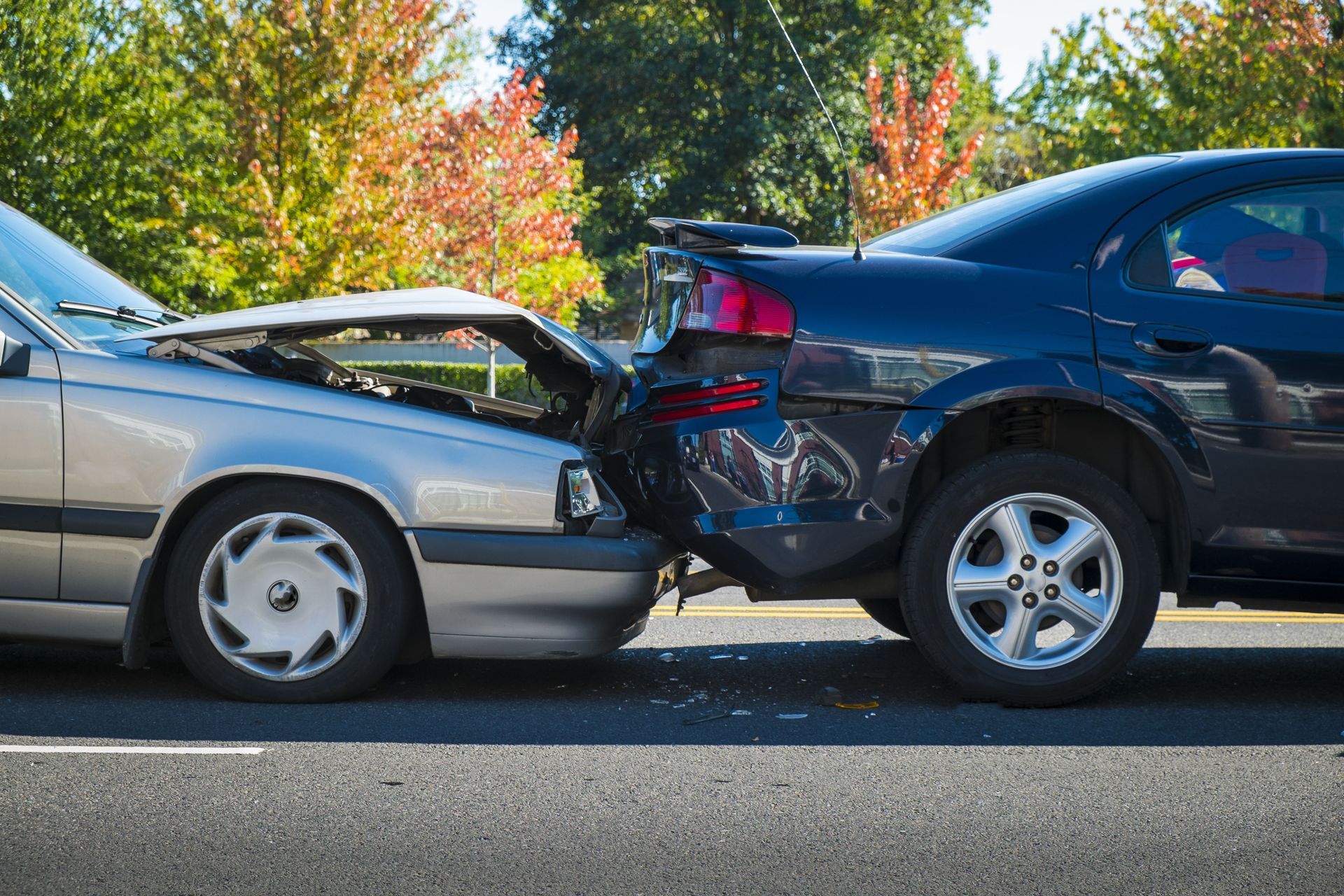
Auto accidents are an unfortunate reality for many drivers. Even minor collisions can lead to a range of issues, from cosmetic damage to serious structural problems that compromise the safety and performance of a vehicle. Understanding the process of auto collision repair can help vehicle owners navigate the necessary steps, select a reliable repair facility, and ensure their car returns to its original condition. With vehicles on United States roads averaging nearly 13 years in age, according to Kelley Blue Book, more drivers are relying on professional auto collision shops to maintain the longevity and safety of their vehicles.
What Makes a Good Auto Collision Shop
Choosing the right auto collision shop is crucial for achieving a successful repair. A reputable shop combines experience, quality workmanship, and strong customer service. Experienced technicians are well-versed in various vehicle makes and models, enabling them to assess damage accurately and implement effective repairs. Beyond technical skill, a good shop communicates clearly with customers, providing detailed explanations of the repair process, costs, and timelines. Modern collision repair centers often employ certified professionals who have completed training programs specific to automotive bodywork and paint, ensuring repairs meet or exceed manufacturer standards.
Another indicator of a reliable shop is the use of advanced technology. Many auto collision shops now utilize computerized measuring systems to detect even subtle frame misalignments. These systems provide a precise blueprint of the vehicle’s original structure, allowing technicians to restore the frame to factory specifications. In addition, quality shops use high-grade paints and materials that match the vehicle’s original finish, preserving the aesthetic appeal and value of the car. Customer reviews and recommendations also serve as valuable insight, highlighting the shop’s reputation for professionalism, timeliness, and quality of repairs.
Initial Inspections and Damage Assessment
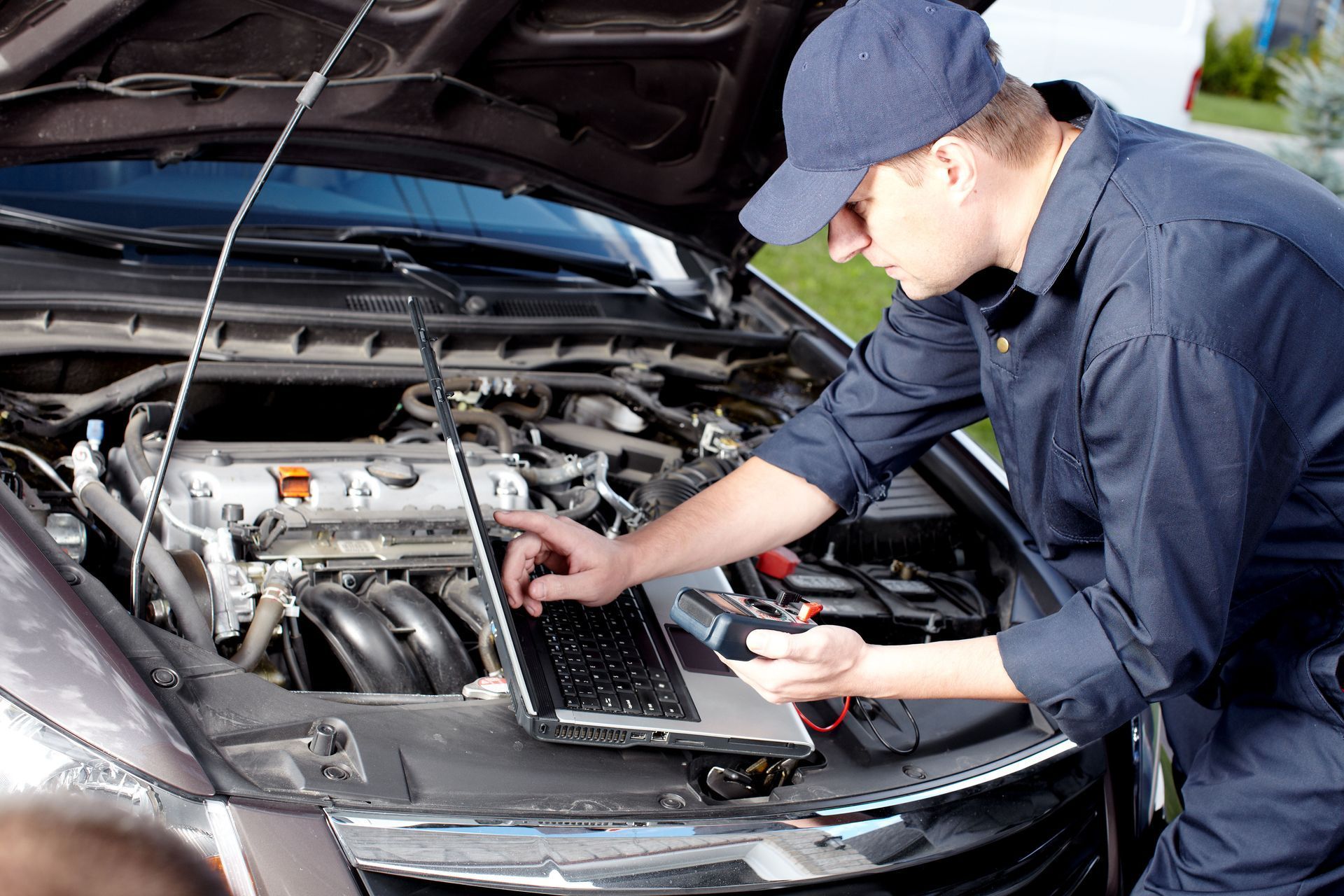
When a vehicle enters an auto collision shop, the first step it goes through is a thorough inspection. This assessment helps identify visible and hidden damage, ranging from dents and scratches to issues with the frame, suspension, or engine components. Technicians examine the car carefully, sometimes using diagnostic tools to detect underlying problems that are not immediately visible. Even minor collisions can cause misalignments or structural weaknesses that affect driving safety, so a detailed evaluation is critical.
The inspection process often involves documenting all damage through photographs and written reports. This documentation not only guides the repair process but also assists with insurance claims. Many insurance providers require a detailed damage report before authorizing repairs. By combining visual inspections with computerized diagnostic tools, auto collision shops can develop a comprehensive repair plan that addresses all aspects of the vehicle’s damage.
Common Types of Collision Damage
Vehicles can sustain a variety of damages in collisions, and the type of damage determines the repair approach. Cosmetic issues, such as scratches, dents, and chipped paint, are typically straightforward to fix. Technicians use specialized tools to reshape metal panels, fill in scratches, and apply paint that matches the car’s original color. While these repairs primarily restore appearance, proper execution is essential to prevent future corrosion or deterioration.
More severe accidents can lead to frame damage, which affects the vehicle’s structural integrity. Frame repairs are complex and require precision equipment to realign the chassis to manufacturer specifications. Suspension components, wheels, and steering mechanisms may also be damaged, affecting handling and safety. In some cases, airbags, seat belts, or electronic systems can be compromised during a collision. A well-equipped auto collision shop will have the necessary tools and expertise to repair or replace these components safely.
The Repair Process
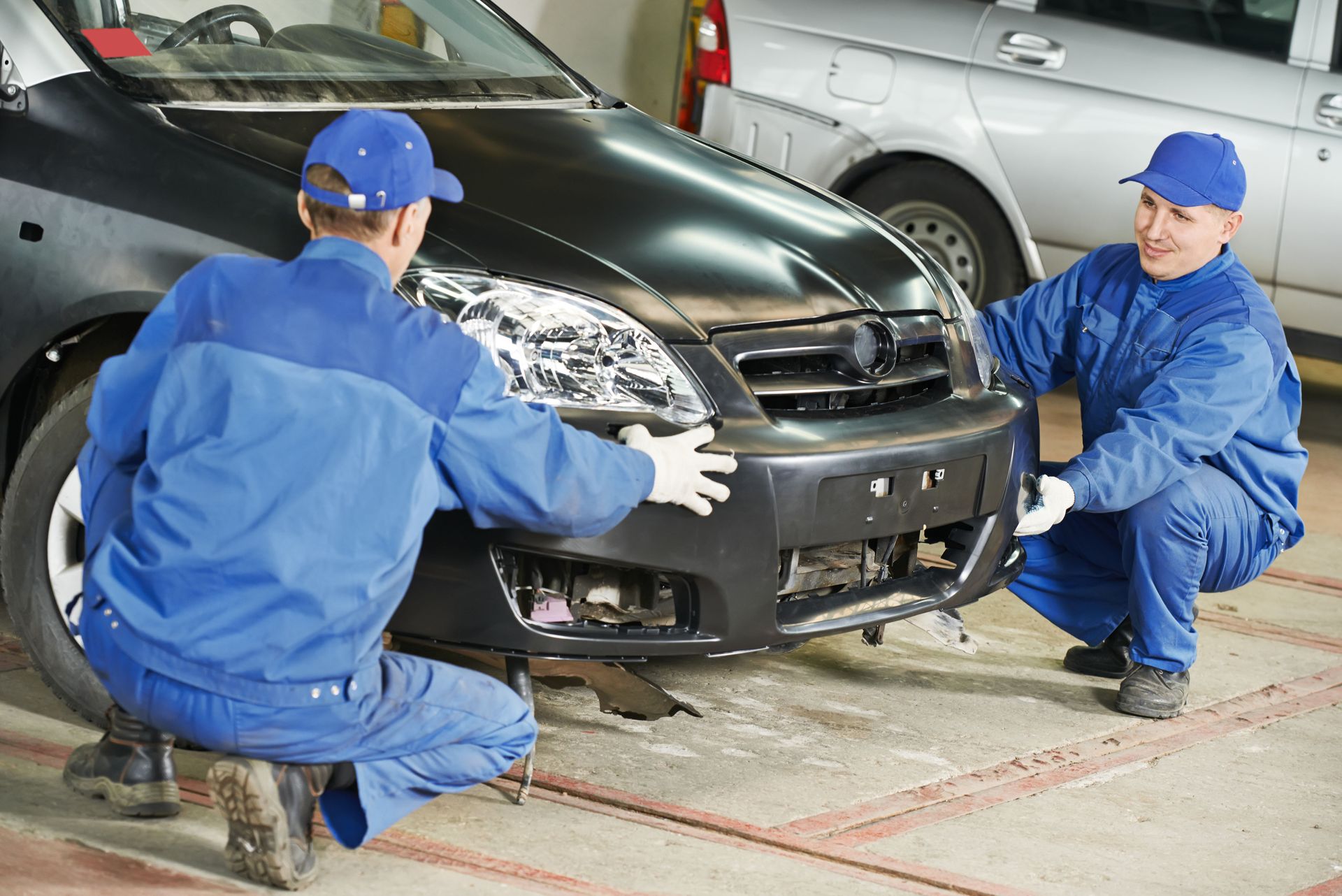
Once damage has been assessed, the repair process begins. The initial step often involves disassembly, where damaged parts are removed for closer inspection. This allows technicians to identify any hidden damage that may not have been apparent during the initial evaluation. Once the full scope of repairs is understood, the shop can order replacement parts, which are ideally original equipment manufacturer (OEM) components to ensure proper fit and performance.
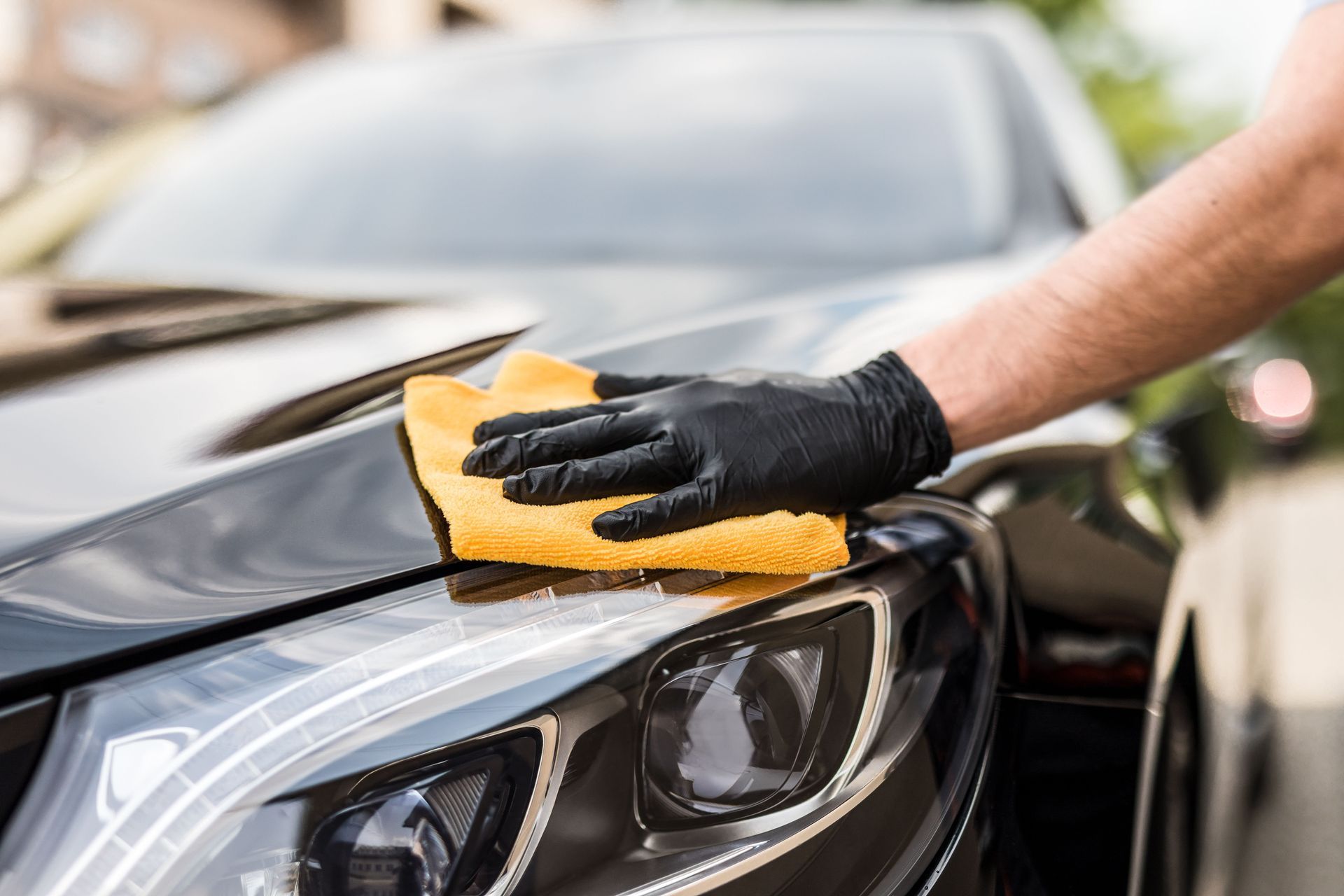
Bodywork is usually the next stage, addressing dents, scratches, and structural issues. Technicians use specialized tools to straighten bent panels and restore the vehicle’s original shape. In cases of severe damage, panels may be replaced entirely. After bodywork is complete, the car undergoes painting. Modern auto collision shops use advanced paint-matching technology to ensure the color blends seamlessly with the existing finish. Paint is often applied in controlled environments to prevent dust and debris from compromising the surface.
Mechanical and electronic systems are also repaired or calibrated as needed. This may include wheel alignment, suspension repairs, or recalibration of sensors and safety systems. A comprehensive repair process ensures the car is not only visually restored but also safe and fully functional. Throughout the process, high-quality shops maintain clear communication with the vehicle owner, providing updates on progress and estimated completion times.
Post-Repair Inspections and Quality Assurance
After repairs are completed, a thorough post-repair inspection is conducted to ensure the vehicle meets safety and quality standards. Technicians verify that all structural, mechanical, and cosmetic issues have been addressed and that safety systems function correctly. Some shops perform test drives to confirm that steering, braking, and suspension components operate as intended. Additionally, paint and bodywork are inspected under different lighting conditions to ensure a seamless finish.
Many reputable auto collision shops also offer warranties on their work, providing peace of mind to vehicle owners. A warranty demonstrates the shop’s confidence in its workmanship and commitment to customer satisfaction. If any issues arise after the repair, the shop can address them promptly, maintaining the vehicle’s safety, reliability, and appearance.
Additional Services Provided by Auto Collision Shops
Beyond standard collision repairs, many shops offer additional services that enhance the overall maintenance and care of a vehicle. These services may include paintless dent repair, windshield replacement, detailing, and rust prevention. Some facilities also provide rental cars or shuttle services during the repair period, making the process more convenient for the vehicle owner. By offering a wide range of services, auto collision shops act as a comprehensive resource for vehicle restoration and upkeep.
Tips for Vehicle Owners
Vehicle owners can take several steps to ensure a positive collision repair experience. Promptly addressing damage reduces the risk of further issues, such as rust or worsening mechanical problems. Maintaining documentation of the accident, including photographs and insurance information, facilitates smoother claims processing. Choosing an auto collision shop with certified technicians, modern equipment, and strong customer reviews increases the likelihood of high-quality repairs. Open communication with the shop and insurance provider ensures that everyone involved has a clear understanding of the process, timelines, and costs.
The process of auto collision repair involves careful inspection, skilled bodywork, precise painting, and thorough mechanical and electronic restoration. Good auto collision shops combine technical expertise, advanced equipment, and strong communication to guide vehicle owners through this process smoothly. From minor cosmetic repairs to major structural restoration, these facilities play a critical role in maintaining the safety, reliability, and appearance of vehicles on the road. By choosing a reputable shop and staying informed about the repair process, drivers can ensure their vehicles are restored to optimal condition and continue to serve them reliably for years to come. For more information about auto collision repairs and how auto shops can help, contact Piperformance today.